Education Today Education Today Magazine
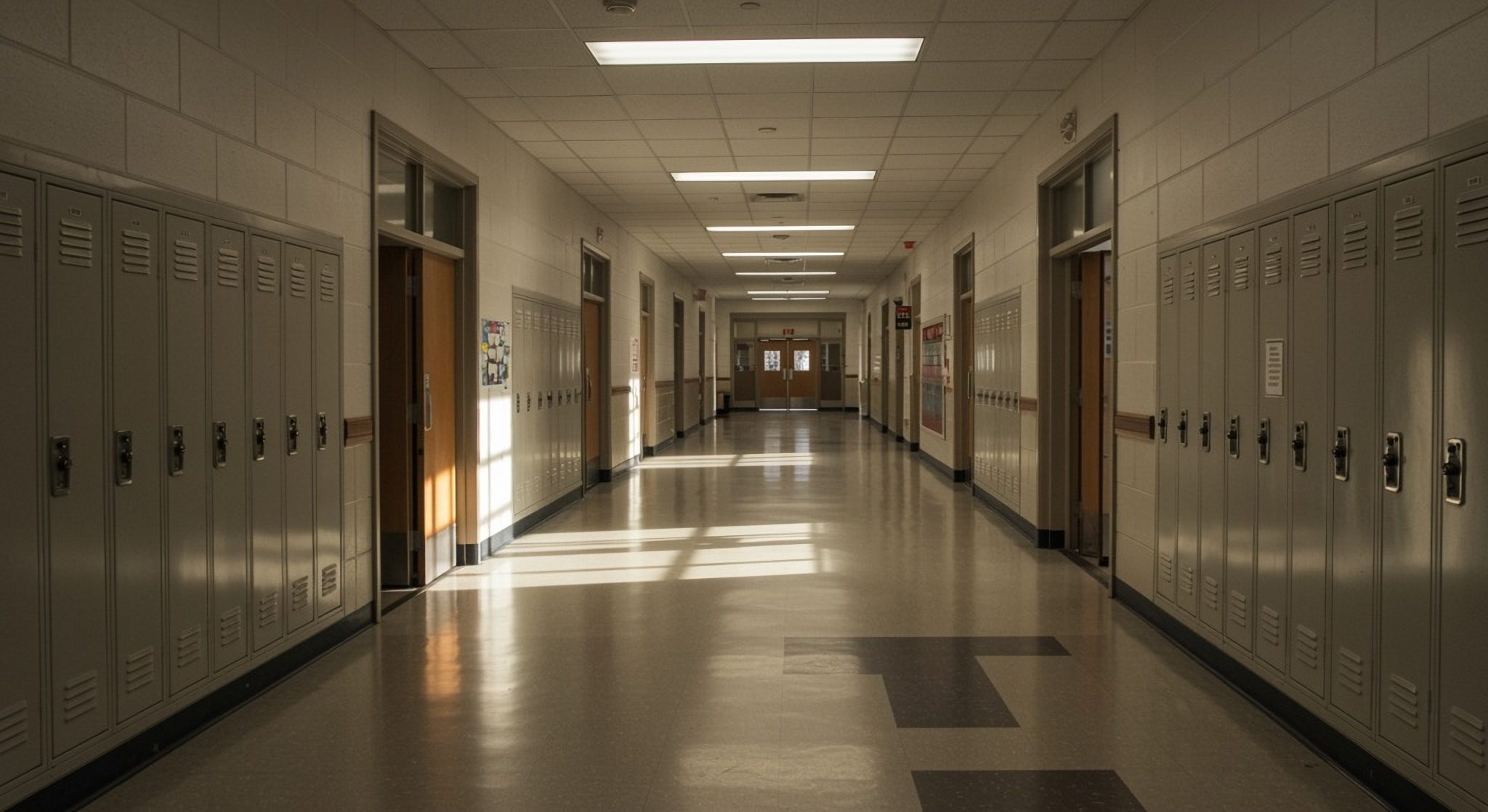
I think we can all agree that educational buildings can be incredibly demanding to clean and maintain. Part of this is down to the fact that hundreds, possibly thousands, of people, including pupils, staff, and even visitors, walk through classrooms, corridors, dining halls, and washrooms. Each of these environments has different cleaning requirements, so why do we treat them all the same?
One of the biggest mistakes facing educational establishments is this ‘one size fits all’ approach, we tend to apply the same techniques, equipment, and chemicals throughout the whole school because we assume that this is the most efficient approach without actually standing back and looking at all our different room types and assessing what risks they have on their own. We need to consider the level of contamination, the surface type, the equipment and the cleaning methods that should be selected to reflect each area.
Let’s take a classroom – there are plenty of high-touch surfaces, including desks, chairs, and door handles, that will require regular attention to help reduce the spread of germs and create that nice, relaxing environment so students can learn. This contrasts with a corridor with high footfall, where the priority will be on the floors, ensuring they are clean and, most importantly, safe. With regards to dining facilities, that comes with its own food hygiene considerations, and we haven’t even touched upon washrooms, changing rooms and sports halls. Just like people, they all need to be treated differently. Recognising these differences is important to delivering high standards that are consistent.
 Perhaps one of the most important things is to select the correct cleaning equipment and chemicals because if you select products that aren’t correct, then you risk damaging the surface and fail to remove the contamination, creating yourself twice as much work. Equally, the same premise can be applied if you are using poorly maintained equipment, as this can reduce the effectiveness of the cleaning and potentially increase the risk of cross-contamination. Correct dilution rates, colour-coding, and equipment maintenance may seem insignificant, but together they have a significant impact on the quality and consistency of cleaning.
Often, this is due to a lack of knowledge. Cleaning operatives are expected to clean across multiple environments without receiving structured training that helps to explain the logic and process of cleaning these individual environments. As a result, what we see isn’t bad intentions, it’s inconsistent methods and bad habits or uncertainty when faced with unfamiliar situations. This is why training continues to play such a significant part in maintaining industry standards.
The British Institute of Cleaning Science and other organisations have always shouted about the importance of structured training and recognised cleaning industry standards. Training that focuses on practical skills, with an emphasis on safe working practices and standardising methods, helps companies build consistency across the whole cleaning team whilst supporting professional development. But training doesn’t have to stop there. Further training for supervisors and managers helps provide a deeper understanding of the theory behind cleaning methodologies; other courses like how to effectively audit and monitor standards are also available.
From classrooms to corridors, every space deserves its own cleaning approach that reflects the space’s individual needs. Investing in recognised standards and selecting the correct equipment is about more than just improving quality – it helps reduce operational risks, supports compliance and empowers cleaning operatives. The result is a safer, cleaner and more welcoming environment where students, staff ,and visitors can learn, work, and thrive with confidence.