Education Today Education Today Magazine
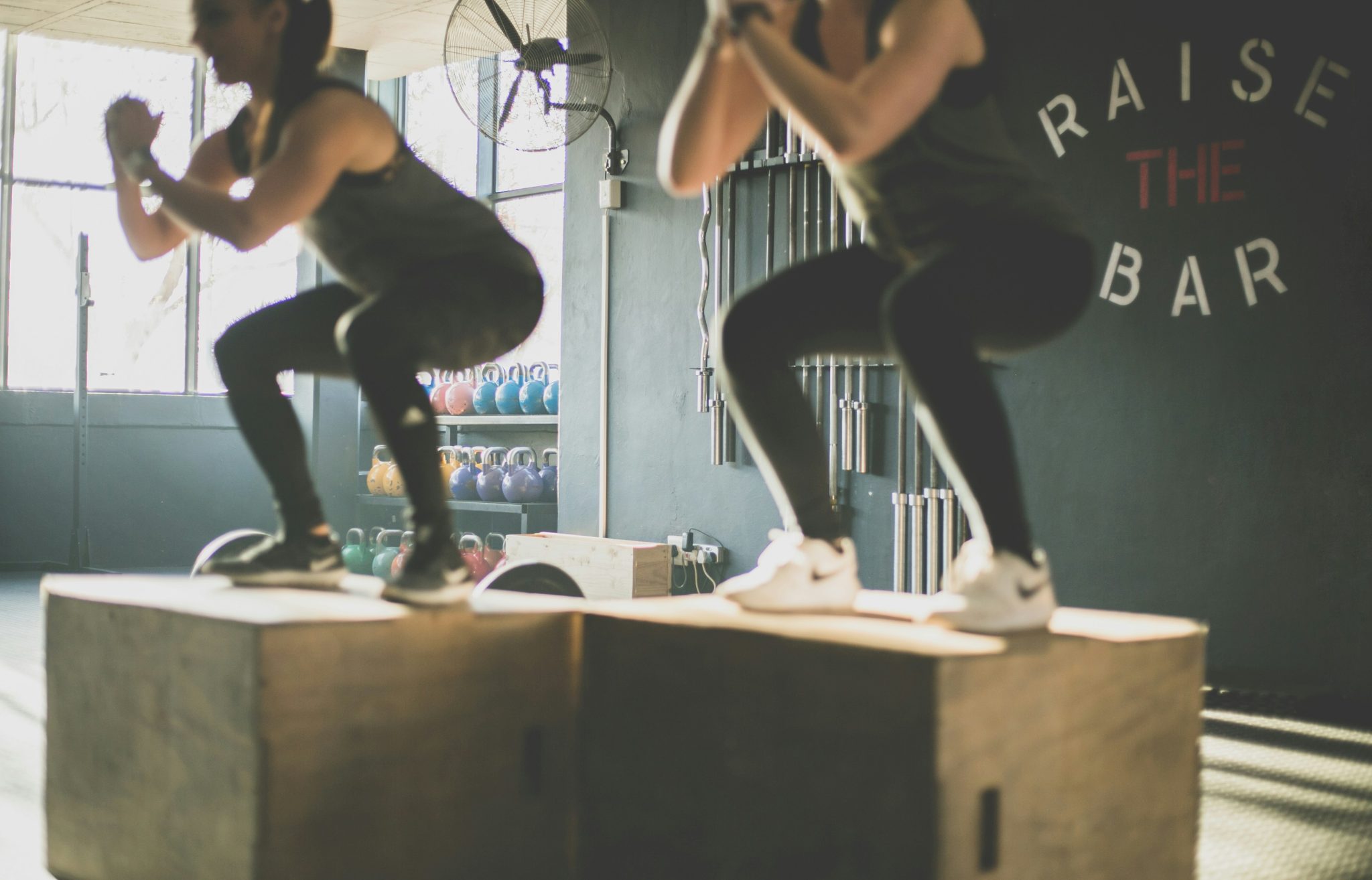
Fitness careers are often associated with practical ability, but working confidently in a gym also depends on structured learning. A new instructor needs to understand exercise technique, client safety, communication and the everyday responsibilities that come with supporting people in a shared training environment.
For school leavers, adult learners or anyone considering a change of career, an entry-level qualification can turn general gym experience into a clearer set of professional skills. Looking at what is taught, how learning is assessed and where the qualification can lead helps learners judge whether this route fits their plans.
Entry-level training gives gym experience more structure
Regularly using a gym and being ready to support other people are different things. An instructor needs to understand why an exercise is appropriate, how equipment should be used and when a client needs a different level of support. Vocational study gives learners a framework for developing those skills instead of relying on their own gym experience alone.
For someone who wants to become a gym coach, a Level 2 gym instructor course with no formal entry requirements, blended learning and practical assessment offers an entry-level route into working with people on the gym floor. Learners develop the knowledge expected of a gym instructor while also showing how they apply it in practice.
For vocational learners, the important part is applying theory in a working context. Anatomy and exercise principles are not studied as isolated subjects. Learners need to connect them with situations on the gym floor, from introducing a new member to equipment to noticing when someone needs additional support.
Learners study how the body moves and responds to exercise
Anatomy and physiology form part of the technical foundation. Learners need a working understanding of muscles, joints, movement and the cardiovascular system so they can explain exercises and recognise appropriate ways to structure activity.
This knowledge becomes more useful when learners apply it to exercise instruction. Understanding the muscles involved in a movement helps an instructor explain technique more clearly. Knowledge of cardiovascular exercise informs decisions about intensity, progression and recovery. Learners also study how different forms of gym equipment are used and what safe instruction looks like.
The qualification therefore asks learners to do more than remember material for an assessment. They need to use what they have studied when explaining exercises, making basic training decisions and supporting another person on the gym floor.
Practical assessment shows whether knowledge transfers to the gym floor
Vocational technical qualifications are designed to develop practical skills and experience for a particular job or sector. Practical gym instructor training follows a similar principle, with assessment covering more than recall. A learner might understand exercise terminology on paper but still struggle to explain a movement clearly, conduct a client consultation or notice poor technique during a session.
Assessment on a gym instructor course can therefore involve coursework, knowledge checks and practical teaching. Learners may be asked to plan activity, work with an individual and demonstrate that they can communicate instructions safely. This gives tutors a clearer sense of how well the learner can apply theory in practice.
Practical work also requires organisation and clear communication. If a client does not understand an instruction, the learner has to change the explanation rather than simply repeat it.
For education providers and careers advisers, this practical element is worth highlighting when discussing vocational routes, particularly when learners want to understand how their studies connect with a specific job.
Communication and professional behaviour are part of the learning
A gym instructor works with people who arrive with different levels of experience, confidence and physical ability. Good instruction therefore depends on more than knowing which exercise to demonstrate.
Learners need to practise consultations, gym inductions and everyday conversations with members. They also need to recognise professional boundaries. If a client presents a concern that falls outside the instructor’s role, knowing when to refer or signpost them to another professional is part of responsible practice.
The role also involves the wider gym environment. Work equipment needs to be used safely, shared spaces need to be maintained and instructors work alongside colleagues as well as independently. These responsibilities also require communication, organisation and customer-facing skills alongside the technical side of the role.
Taken together, these responsibilities show why gym instructing involves more than demonstrating exercises. The role also depends on client communication, safe working practices and the everyday operation of the gym environment.
A Level 2 qualification can also clarify the next education step
Not every learner begins a vocational course with a complete career plan. Someone may initially want an entry-level role in a gym and later decide to continue studying. Others know from the start that gym instructing is the first stage of a longer route into personal training or another area of fitness.
A Level 2 gym instructor qualification gives learners a structured starting point for gym-based work. Those who later decide to move into personal training can build on the knowledge and practical experience developed at this stage.
Progression is worth discussing before enrolment, particularly with younger learners or adults retraining from another sector. The next qualification is only part of that conversation. Learners should also consider which parts of the role they enjoy, what further skills a future job would require and how much additional study they are prepared to take on.
For anyone considering gym instruction, the value of the qualification lies in connecting what is learned with what happens in a working gym. Learners develop exercise knowledge, practise working with clients and become more familiar with the professional expectations of the role. That experience also helps them decide whether they want to move directly into gym-based work or continue their education in another area of fitness.